BIM Modeling and Management
Early clash detection, reliable quantities, and clear decisions across every discipline -- before anything reaches site.
Why BIM Matters
Without coordination, risk builds invisibly. Each discipline designs alone, clashes reach site undetected, and quantities drift from what is actually drawn.
- Beams hit ducts because structural and MEP were never checked against each other
- Quantities estimated from 2D drawings drift from the design and distort procurement
- RFIs accumulate because conflicts visible in the model were never reviewed
- Owners sign off on drawings they cannot read, then request changes during construction
What We Deliver
Cross-Discipline Coordination
- Architecture, structure, and MEP in one federated model
- Clashes detected and tracked before drawings are issued
- Cross-discipline consistency enforced at every model update
- Constructability checked against the coordinated geometry
Quantity Control
- Quantities measured from the model, not estimated from drawings
- BOQs tied to the current model state, updated when the design changes
Drawing Production
- Sheets and views configured to project standards at setup
- Annotation and detailing generated from the model
- Drawings stay coordinated because they share one source
- LOD compliance tracked per discipline
Schedule and Cost Data
- Each element carries schedule and cost data for 4D/5D use
- Exports ready for Navisworks, Synchro, and Excel workflows
- IFC and COBie deliverables for downstream systems
- Structured metadata for facility management from day one
BIM Management
Without governance, models degrade into unreliable geometry. BIM Management keeps naming consistent, reviews on schedule, and deliverables in the format that coordination, costing, and handover actually require.
- BEP and CDE setup so every team works from the same standards and the same data environment.
- Review cycles and clash resolution run on a fixed schedule. Issues are tracked, not discovered later.
- Modeling standards (naming, classification, LOD/LOI) enforced consistently across all disciplines.
- Information deliverables (COBie, asset data) prepared for FM handover in the required formats.
- Progress monitoring via dashboards that flag risks, schedule shifts, and cost implications early.
Canopy Framework
Upstream Intervention
Every problem has a cost curve. Cheapest on paper, expensive on site, catastrophic after handover. This principle drives how we schedule reviews, flag clashes, and structure every coordination decision.
“Catch it on paper, not on site.”
Learn more about our approachHow Teams Coordinate
Every model change is tracked. Every clash is logged and assigned. Reviews run on a fixed cycle, not when someone remembers to ask.
- Cloud-hosted models with version-controlled access
- Clashes reviewed and assigned resolution owners weekly
- Coordination reports issued with marked-up model screenshots
- Review sessions scheduled to your time zone
Selected Case Study
Federated modeling through verified digital handover on an active project.
Case Study
Advanced BIM Implementation & Digital Twin Strategy
Owner-side BIM coordination for a 500,000+ sqm convention and office complex across architecture, structure, and MEP.
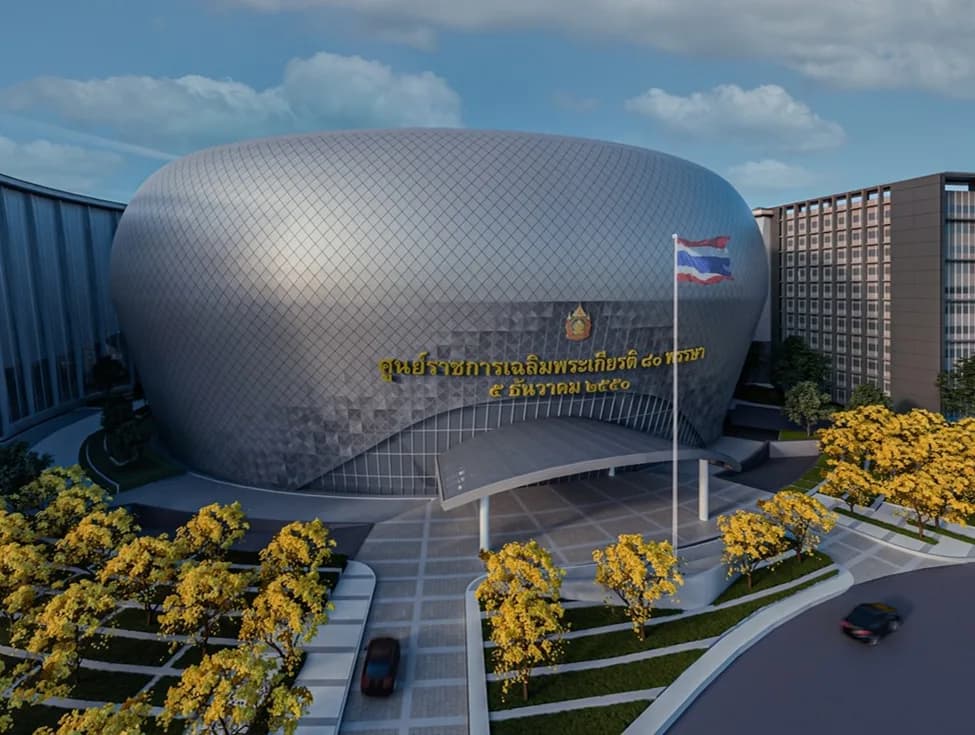
BIM coordination across architecture, structure, and MEP was fragmented across disciplines. A federated model structure was imposed, centralizing clash resolution, quantity verification, and documentation outputs. Model information was aligned across disciplines.
Executive Summary
A 600,000+ sqm convention and office complex required BIM coordination across architecture, structure, and MEP. The project lacked a consistent coordination structure, leading to unresolved clashes, inconsistent model outputs, and delays. A federated model structure was introduced to align disciplines. Clash resolution, quantity verification, and documentation outputs were standardized, improving coordination reliability.
Project Snapshot
- Client
- Dhanarak Asset Development Co., Ltd.
- Location
- Bangkok, Thailand
- Site Area
- Over 600,000 sqm
- Contract Value
- Over USD 570 million
- Duration
- 30 months (design through construction documentation)
- Services Delivered
- BIM Management, 3D / 4D / 5D Modeling, Clash Detection, Digital Twin Data Preparation, BIM Execution Plan (BEP)
The Challenge
The context, constraints, and risks shaping the project from the start.
The project required coordination of architecture, structure, and dense MEP systems within constrained ceiling spaces under an aggressive delivery schedule. This created a high risk of clashes and rework.
Complexity
- Curved façade and structural geometry
- High-density MEP systems within limited ceiling space
- Tight construction phasing with limited tolerance for rework
- Large stakeholder group requiring consistent information
What Was at Stake
Without coordinated models and verified quantity data, the project faced schedule delays, cost overruns exceeding 10% of the MEP package, and operational inefficiencies.
How Chenla Stepped In
The targeted actions we took to resolve the core issues.
A federated BIM coordination structure was imposed, positioning the coordinated model as the reference.
Key Actions
- Defined BIM Execution Plan (BEP) for coordination across disciplines
- Enforced LOD, naming, and classification standards
- Structured weekly clash-resolution cycles to close coordination issues before documentation
- Centralized model-based quantity extraction for cost verification
- Structured model data for facility management handover
Framework in Action
The Canopy Framework™ principles most active on this project.
The coordination principles later formalized into internal methods can be seen here. Over 500 critical clashes were identified and resolved before construction. The federated model aligned architecture, structure, and MEP through coordination cycles.
Upstream Intervention
“Catch it on paper, not on site.”
Coordination as the System
“Shape the terrain so the right path is the easy path.”
Solution Highlights
What Chenla delivered to address the project's challenges.
Federated Coordination Model
Architecture, structure, and MEP were integrated into a single coordinated model.
3D Cost Integration
Model elements were linked to quantity data for verification.
Constructability-Ready Outputs
Coordinated drawings and documentation were generated from the model.
Digital Model Handover
The as-built model was structured for facility management.
Outcomes
What changed for the client as a direct result of our intervention.
Operational Results
- Over 500 critical clashes resolved before construction
- Reduced rework from coordination conflicts
- Reduced RFI volume by approximately 35%
- Shortened coordination cycles
Client Benefits
- Lower construction risk
- Improved cost predictability
- Structured documentation for operations
- Verified model available for post-handover use
PROJECT DOCUMENTATION & OUTPUTS
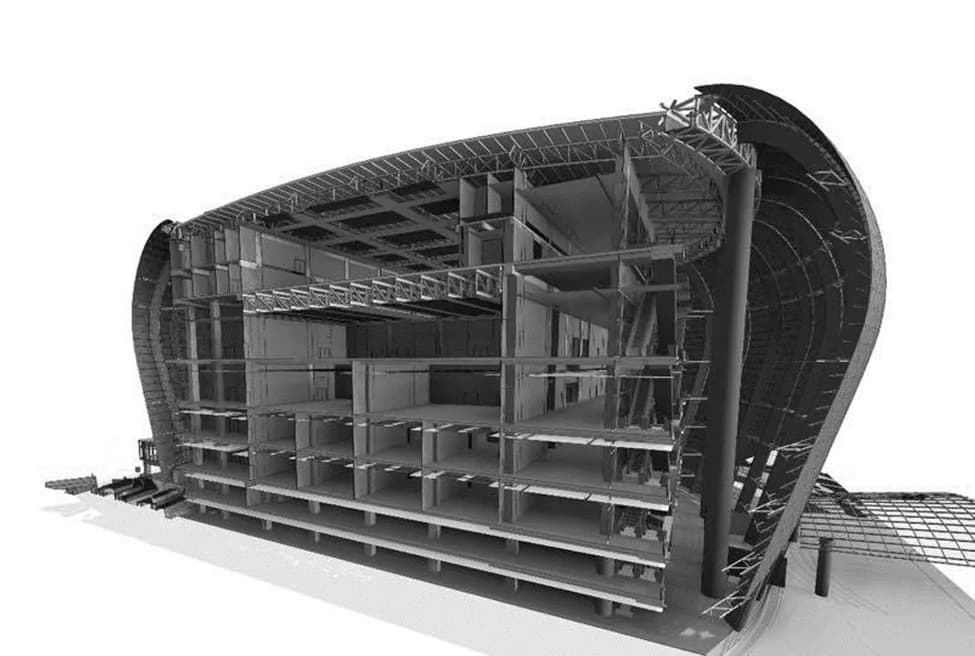
Federated BIM Coordination
Coordinated model of architecture, structure, and MEP.
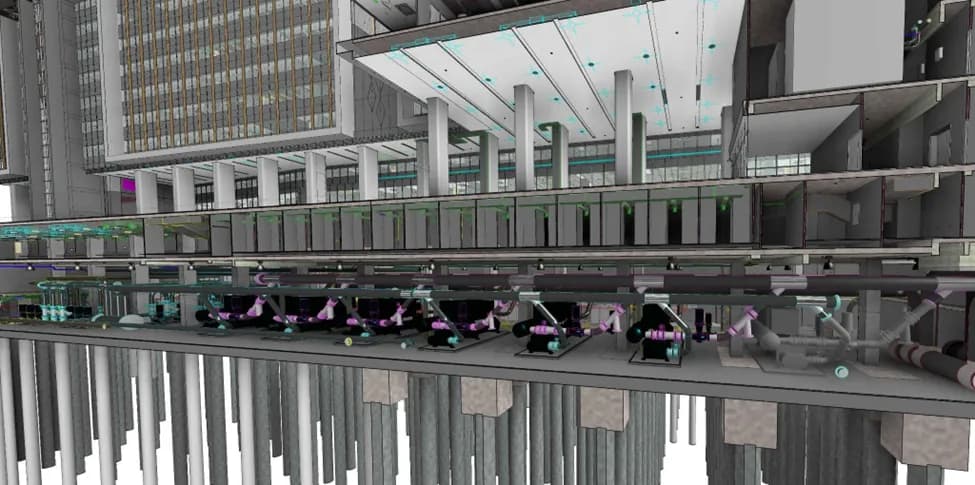
MEP Coordination Below Slab
MEP coordinated beneath the main structure.
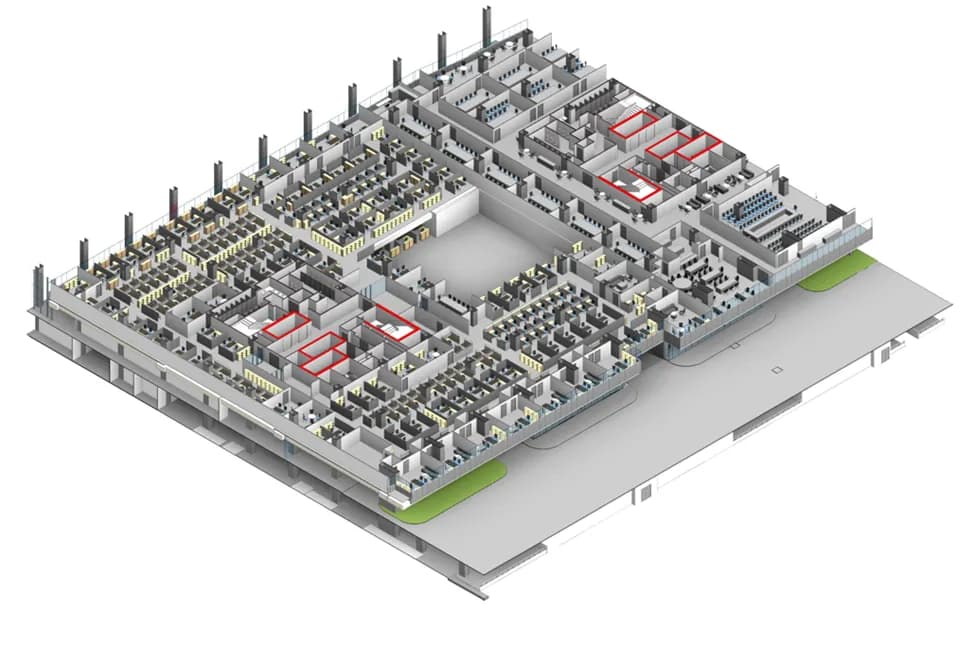
Digital Model
Model structured for quantity take-off and facility management.
Related Insights
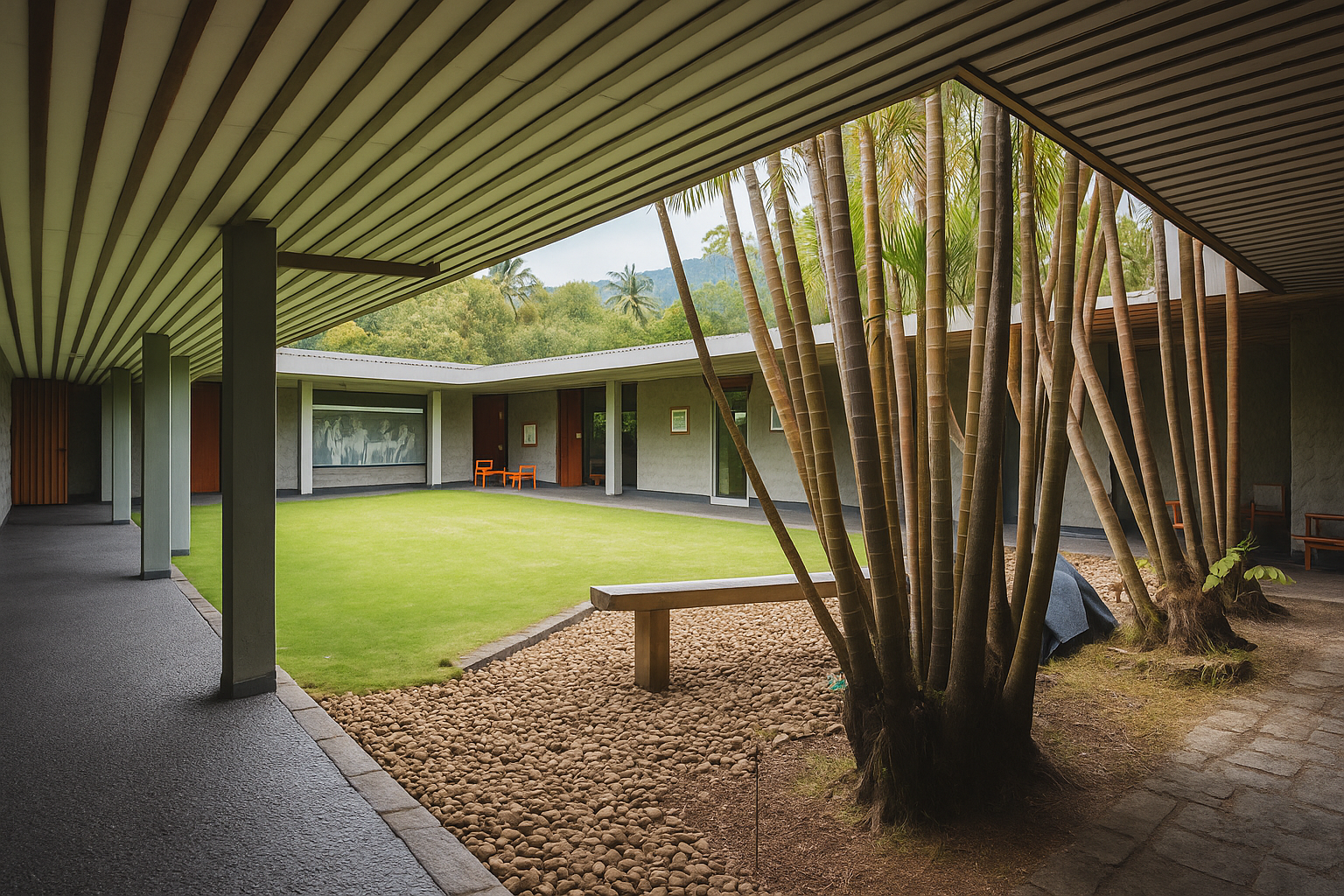
When Buildings Make Us Sick
November 5, 2025
Why human health is becoming a primary design metric — and how BIM enables healthier, evidence-based architecture.
Read more →
Seven BIM Practices That Reduce Construction Risk
January 23, 2026
How BIM-enabled engineering services help project teams move from reactive problem-solving to proactive risk management across design, cost, and construction sequencing.
Read more →
Five Construction Risks in Cambodia
January 8, 2026
Global construction trends don’t fail in Cambodia because they’re unfamiliar. They fail when risk is quietly relocated without the structure to absorb it.
Read more →Start with a coordination review
Share your current drawings or model. We will identify where coordination gaps exist and how BIM can close them.