Case Study
Advanced Structural Design & Steel Engineering
Owner-side structural design for a logistics facility on soft clay, covering foundations, long spans, and erection sequence.
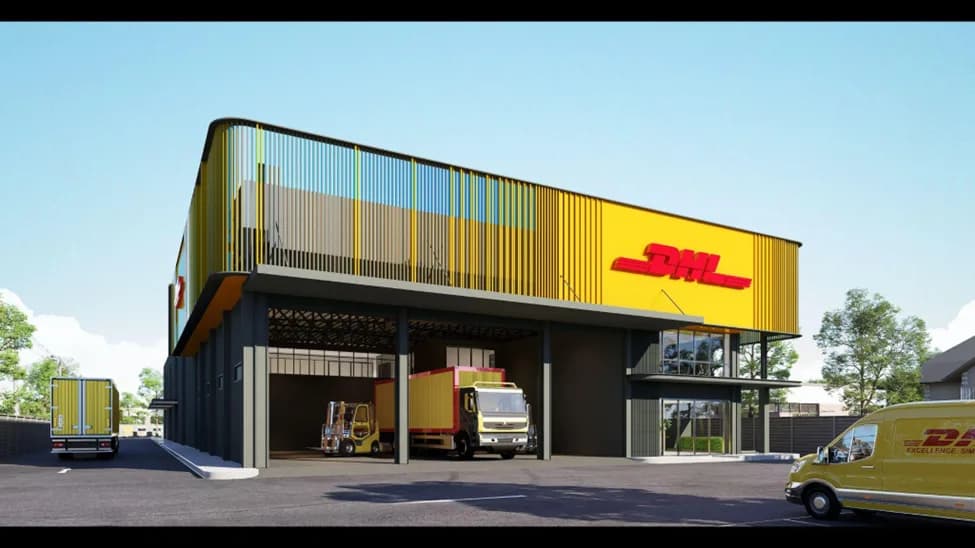
Structural design for a logistics facility on soft clay was fragmented across foundation and superstructure disciplines. A coordinated structural approach was imposed, aligning load analysis, material selection, and fabrication detailing. Structural decisions were aligned across the project.
Executive Summary
Soft clay soil conditions required a structural system capable of limiting settlement while supporting long-span steel framing. The project lacked a consistent approach between foundation and superstructure design, leading to risk of overdesign, cost increase, and delays. A hybrid reinforced concrete and steel system was introduced, aligning foundation capacity with long-span superstructure requirements. Structural loads, detailing, and fabrication were coordinated, stabilizing foundations and enabling erection.
Project Snapshot
- Client
- DHL Thailand
- Location
- Samut Prakan, Thailand
- Site Area
- Approx. 2,500 sqm
- Contract Value
- USD 3.2 million
- Duration
- 12 months (design & construction)
- Services Delivered
- Structural Engineering Design, Value Engineering, Pile Foundation Design, Steel Detailing (Shop Drawings), Construction Oversight, Load Analysis (Wind / Seismic)
The Challenge
The context, constraints, and risks shaping the project from the start.
The project required a structural system capable of performing on soft clay soil while delivering large column-free spans under an aggressive construction schedule.
Complexity
- Soft clay soil requiring deep foundations
- Long-span, column-free zones for logistics operations
- Construction timeline incompatible with conventional RC superstructure
What Was at Stake
A conventional reinforced concrete approach would have increased foundation loads, slowed construction, and delayed handover.
How Chenla Stepped In
The targeted actions we took to resolve the core issues.
A hybrid RC-steel structural system was imposed, combining pile-supported reinforced concrete foundations with a steel superstructure for long spans and rapid erection.
Key Actions
- Rationalized load paths across grid and service loads before member sizing
- Enforced value engineering during design to reduce material use
- Structured the superstructure around a 30-meter long-span steel truss, eliminating internal columns
- Standardized bolt-and-nut connections for prefabrication and erection
- Coordinated structural interfaces with architectural and MEP
Framework in Action
The Canopy Framework™ principles most active on this project.
The engineering principles later formalized into internal methods can be seen here. Detailed load analysis and iterative value engineering during design reduced steel quantities and shortened the construction schedule. Structural issues were resolved during design rather than on site.
Upstream Intervention
“Catch it on paper, not on site.”
Solution Highlights
What Chenla delivered to address the project's challenges.
Hybrid RC-Steel Strategy
RC foundations provided stability on soft soil, while steel framing enabled long spans.
Long-Span Structural Frame
A 30-meter truss eliminated internal columns.
Value-Engineered Steel Frames
Material usage was reduced through analysis.
Prefabrication & Assembly
Bolt-and-nut detailing enabled faster on-site erection.
Outcomes
What changed for the client as a direct result of our intervention.
Operational Results
- Reduced steel quantities through value engineering
- Reduced structural weight
- Structural frame completed approximately 8 months faster
Client Benefits
- Reduced foundation loads on soft soil
- Increased usable warehouse floor area
- Lower material and construction costs
PROJECT DOCUMENTATION & OUTPUTS
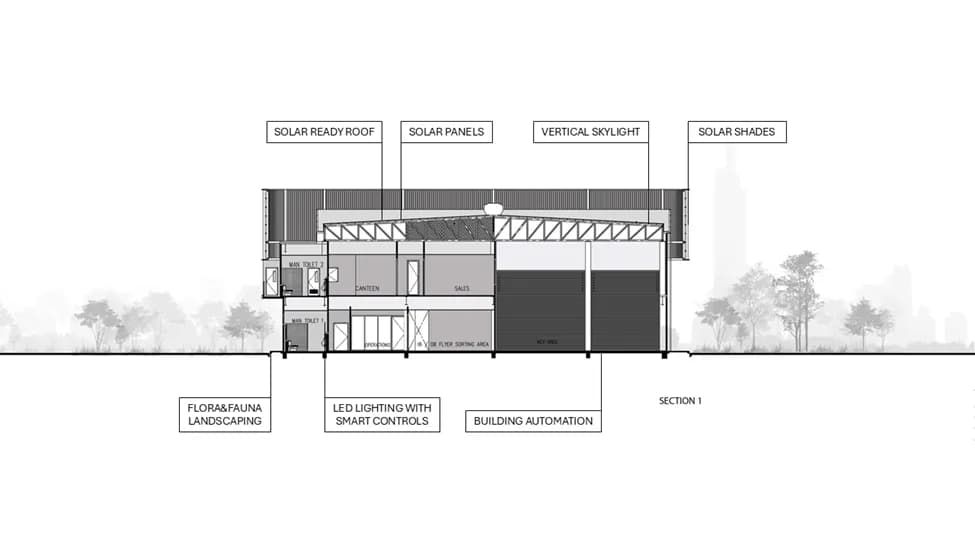
Long-Span Structural Section
Section showing the long-span steel truss and roof.