The Canopy Framework™
Our approach to tending construction projects.
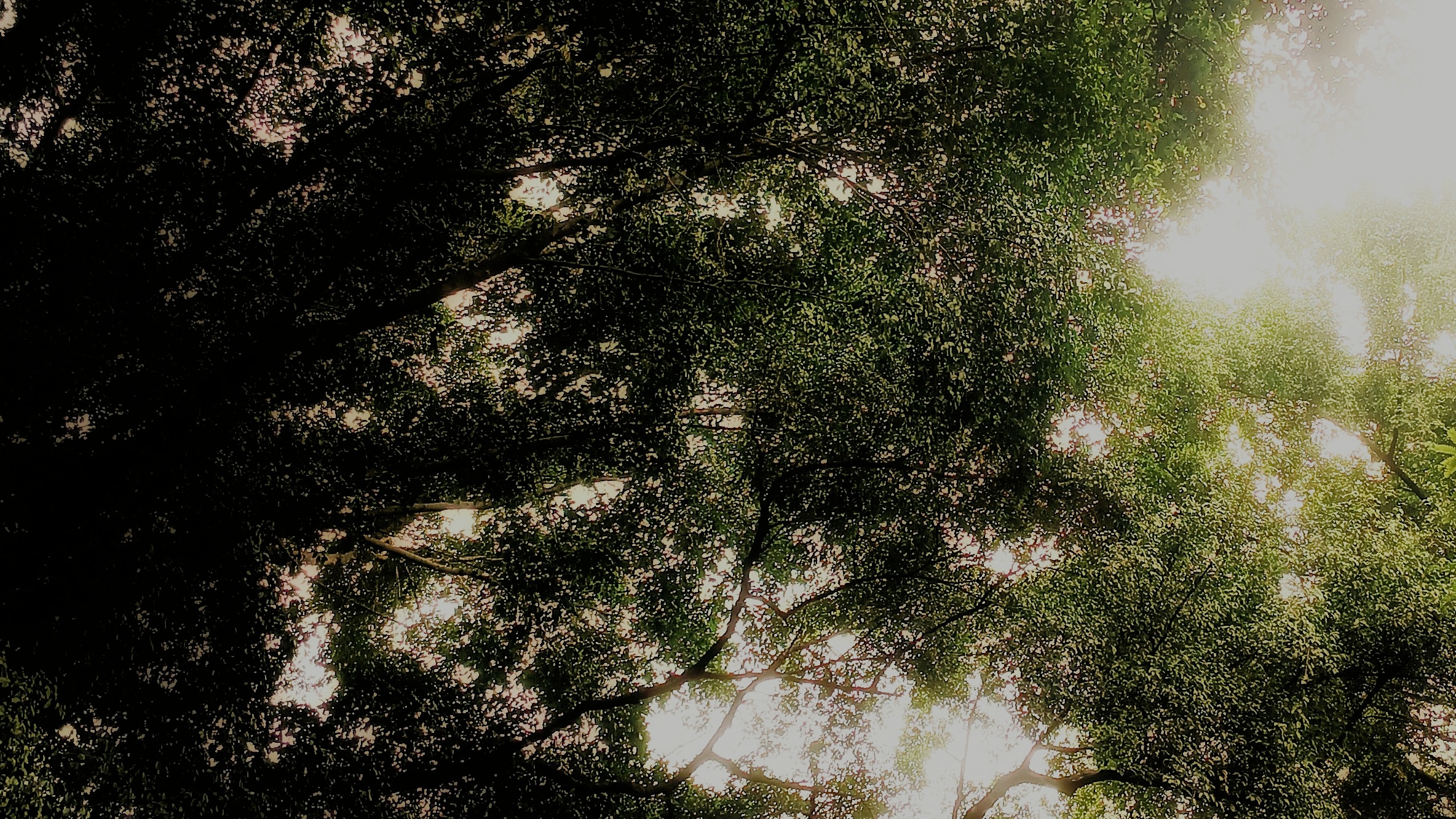
A canopy doesn't command a forest. It tends it. It provides structure, filters light, and creates the conditions where growth happens on its own terms. That's how we think about construction project management.
The Canopy Framework™ is our name for this approach: a set of principles, disciplines, and habits designed to keep projects visible, coordinated, and moving without relying on heroic intervention or management theater.
We don't manage projects the way most firms do. We tend them: shaping conditions, maintaining rhythm, and intervening upstream where it's cheapest and most effective.
Core Principles
Structure Before Clarity
We build the structure (documentation, roles, accountability) and clarity follows. Most projects don't fail from lack of talent. They fail from ambiguity left unresolved. We don't wait for perfect understanding; we create the conditions where understanding emerges.
“Define once, repeat reliably.”
Upstream Intervention
Problems are cheapest to solve on paper, expensive on site, catastrophic after handover. We review before approving, test before accepting, and question before the pour. The cost of prevention is always less than the cost of correction.
“Catch it on paper, not on site.”
Continuous Visibility
Daily tracking, weekly reporting, persistent dashboards. We treat communication as structural, not optional. If something isn't visible, it can't be managed. And what can't be managed will eventually surprise you.
“Silence is not neutral.”
Coordination as the System
Clear ownership, short feedback loops, a shaped terrain where the path of least resistance leads to the right outcome. Coordination isn't overhead. It's the discipline that makes everything else work.
“Shape the terrain so the right path is the easy path.”
Disciplined Calm
Measured response over reactive speed. Structured thinking under pressure. Construction is full of urgency. The difference between a crisis and a controlled response is whether someone has built the systems to absorb it.
“Calm is what keeps urgency from turning into panic.”
How We See It
- Monitoring is not micromanagement. It's the immune system of a healthy project.
- Reporting is not bureaucracy. It's the pulse. Without it, you're guessing.
- Process is not rigidity. It's the riverbank that gives the current direction.
- Oversight is not distrust. It's the structural equivalent of a second pair of eyes.
- Calm is not passivity. It's what lets you act precisely when everyone else is reacting.
- Documentation is not paperwork. It's institutional memory that outlasts any individual.
- Coordination is not overhead. It's the system itself.
This is not a conceptual framework
Tasks, decisions, and coordination follow this structure in real time, inside active projects. The principles above operate as live conditions.
What We Refuse
Not all structure is good structure. These are the patterns we deliberately reject.
Complexity as Competence
If a system can't be explained simply, it probably isn't understood. We refuse to conflate sophistication with value.
Control as Management
Tightening grip is not the same as improving outcomes. Control that doesn't serve coordination is just friction.
Systems for Systems' Sake
Every process must earn its place. If a tool or procedure doesn't directly serve the project, it goes.
The Heroic Manager
If the project depends on one person's extraordinary effort, the system has already failed. We build structures, not dependencies.
Philosophical Roots
The Canopy Framework draws on two traditions that rarely share a page. Taoist systems philosophy, the idea that the best intervention is the one that makes itself unnecessary. And hard structural pragmatism, where every process must earn its place through measurable contribution.
Philosophy without instruments is wishful thinking. Instruments without philosophy become the baroque, self-serving systems this framework exists to refuse.
Related Insights
Why We Stopped Managing Projects
March 24, 2026
The projects that went well didn't feel managed. They felt tended. That distinction became the basis of how we work.
Read more →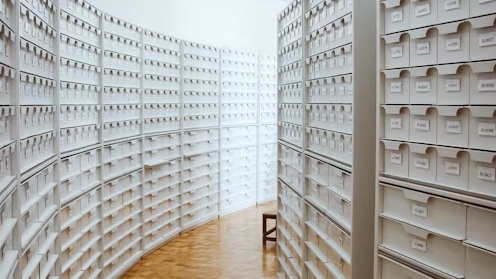
If It's Not in the System, It Doesn't Exist
March 3, 2026
Most project stress doesn't come from complexity. It comes from partial memory. Structure first. Clarity follows.
Read more →
Visibility Is Not Suspicion
February 25, 2026
If structured visibility destabilizes a partnership, that tells you something important. Not about trust — about how the system was working before.
Read more →
Silence Is Not Neutral
February 10, 2026
In collaborative work, silence isn’t empty space. It creates cognitive load, keeps loops open, and forces others to guess what’s happening.
Read more →
When Coordination Becomes the System
January 27, 2026
Most project stress comes from treating complex coordination as if it were computable in advance. Good leadership reshapes the terrain so complexity stops exploding.
Read more →
Calm Is a Professional Skill
January 24, 2026
In a high-pressure construction environment, calm is not slowness. It is clarity under pressure.
Read more →Ready to discuss your project?
We'd welcome the chance to show you how the Canopy Framework works in practice.